
Object Detection Capstone
Detect and track hardware and people in the classroom
Jarvis3000
A system that captures live classroom footage and object & segmentation detection to identify and track people and hardware
Team Kanban Board
Project snapshot fetched Oct 28, 2026 at 18:02 UTC. Open on GitHub for the latest changes.
-
Backlog 1#17Presence System: take a picture on each RFID tap (needed by Oct 21)
-
Ready 3#24New Technology Usage#26Plan Trimester 2#29Integrate Jarvis into OCSArnav210
-
In progress 6#19Mentor Notes#25Finalize MVP for N@tMXavierTho#22File/Code Architecture Updatesshriya1401#27Documentation UpdatesSoniDhenuva#28Speed / Reliability UpdatesArnav210
Show less
-
In review 4#21Design Thinking Framework#20Future Plans for MVP#18compatability of servers#23Funding Requests
-
Done 16#1Onboarding Challenge - Arnav#2Onboarding Challenge - Soni#4Onboarding Challenge - Xavier#5Onboarding Challenge - Shriya#68/27/2026 Notes - Future Plans
Show less
Problem Statement
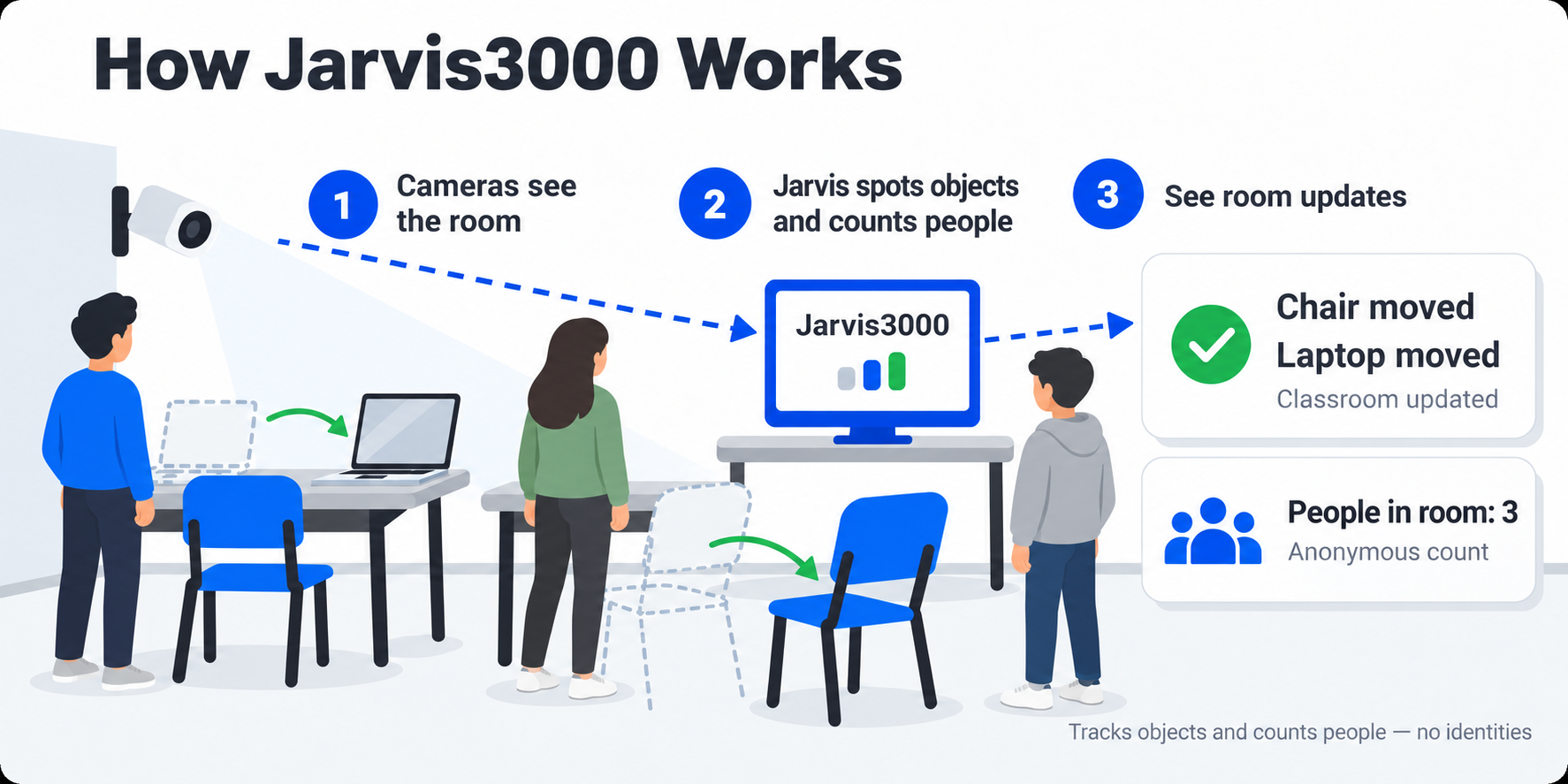
Classrooms change throughout the day. Our computer science classroom is no exception. People come and go, and hardware can be moved, misplaced, or left behind. This makes it difficult to know whether the room is as expected at any given time. Missing or out-of-place items can go unnoticed, causing confusion, wasted time, or the loss of expensive equipment.
System Architecture
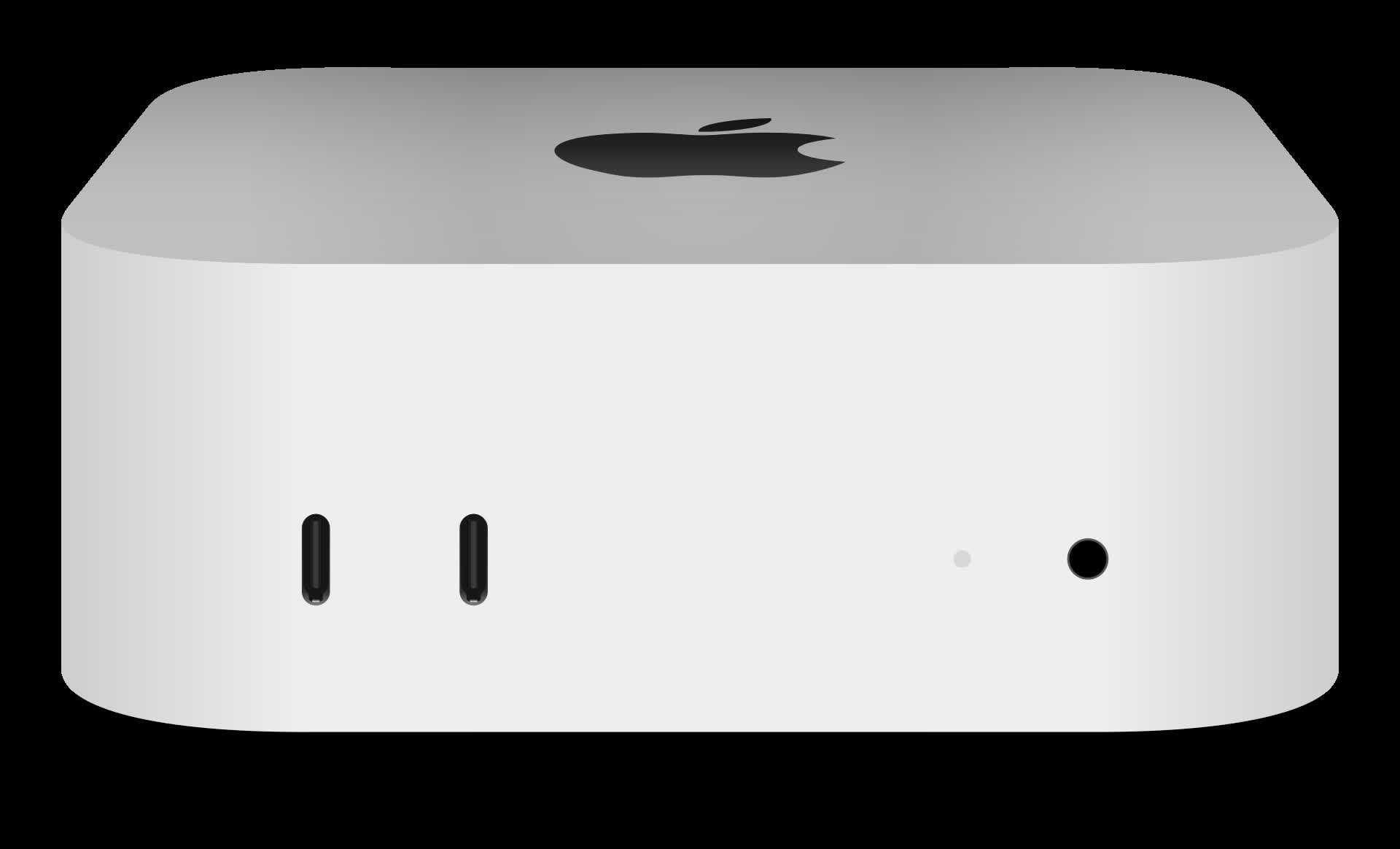
Jarvis captures classroom images and sends them to a proposed VPC for AI processing and image comparison. SAM 3 and other AI models needed by the system will use a GPU system located in another part of the classroom. The VPC compares images over time and tracks changes. Results return to Jarvis for storage and updates to the room model.
flowchart TD
    CAMERA["Camera 1"] --> CAPTURE["Jarvis on local Linux device
Capture timestamped images"]
    CAPTURE -->|Send images + prompts| AI
    subgraph VPC["VPC: Processing Environment"]
      AI["SAM 3 + other AI models
Object detection and segmentation"]
      AI --> TRACK["Image comparison + temporal tracking
Future multi-camera matching"]
    end
    GPU["GPU system"] -->|Provides GPU computing| AI
    AI -->|Return detections, masks + overlays| STORE["Jarvis local storage
Original images + AI results"]
    STORE -->|Send earlier images for comparison| TRACK
    TRACK -->|Return tracked identities, locations + changes| ROOM["Room model
Identity + location + history"]
    CAPTURE -->|Save originals| STORE
    CAMERA2["Future Camera 2
Second Linux capture device"] -.->|Additional timestamped images| CAPTURE
Core Research Question
Can a time-aware multi-camera system using object detection, segmentation, tracking, and schedule data reliably identify expected classroom objects and people and detect anomalies in their status, presence, or location?
Hardware Layout

Project Phases
flowchart LR
    P1["Phase 1
Camera Research & Capture
Sept 2026"] --> P2["Phase 2
Object Recognition & Segmentation
Sept - Nov 2026"]
    P2 --> P3["Phase 3
Multi-Camera Tracking & Room Model
Nov 2026"]
    style P1 fill:#3b82f622,stroke:#3b82f6
    style P2 fill:#f59e0b22,stroke:#f59e0b
    style P3 fill:#a855f722,stroke:#a855f7
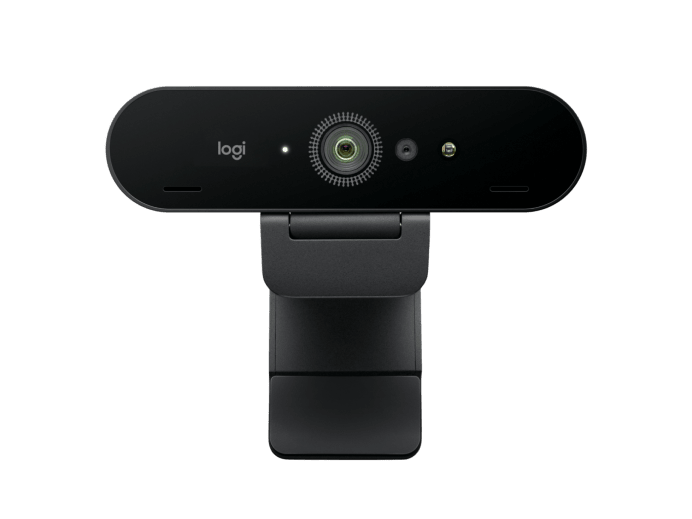
Test and calibrate the existing Logitech BRIO + Linux capture pipeline, benchmark FFmpeg/OpenCV at the 10-second capture interval, and begin collecting classroom images for the six core object classes.
Annotate the dataset, train and evaluate an object-detection model on the six core classroom classes, and integrate SAM 3 segmentation, targeting the 80% classification threshold on held-out images.
Bring the second camera and Linux node online, implement multi-camera matching and the object observation state machine, and validate the room model against the 80% object-state accuracy target.
Explore the Project
Capture and processing loops, observation state machine, data models, and privacy design.
View Technical Detail Research 1: Camera & HardwareMulti-camera capture setup, network sync between Linux nodes, calibration, and bill of materials.
Explore Research 1 Research 2: Object Detection & SAM 3 SegmentationObject classification, confidence scoring, bounding-box localization, and pixel-precise mask generation for classroom objects.
Explore Research 2 Research 3: Spatial Perception & Distance EstimationDepth models, cross-view feature matching, and 3D point-cloud mapping across two wide-spaced cameras.
Explore Research 3 Research 4: Visual Memory & Scene ComparisonShadow/light invariance, edge background subtraction, patent reviews, and commercial product comparisons.
Explore Research 4 ProgressThe next release checkpoint and planned work.
View Progress Future PlansFeature development and integration goals for the October 25th target release.
View Future Plans