Framework for Sprints
Agile Project Workflow
This four-phase agile workflow is informed by Design Thinking: Design & Ideate, Build, Integrate, and Test & Retrospective. Each phase generally aligns with one week of the sprint, combining user-centered design with software development, collaboration, and reflection. It is a software-delivery adaptation, not the five classic Design Thinking stages.
Phase 1: Design & Ideate
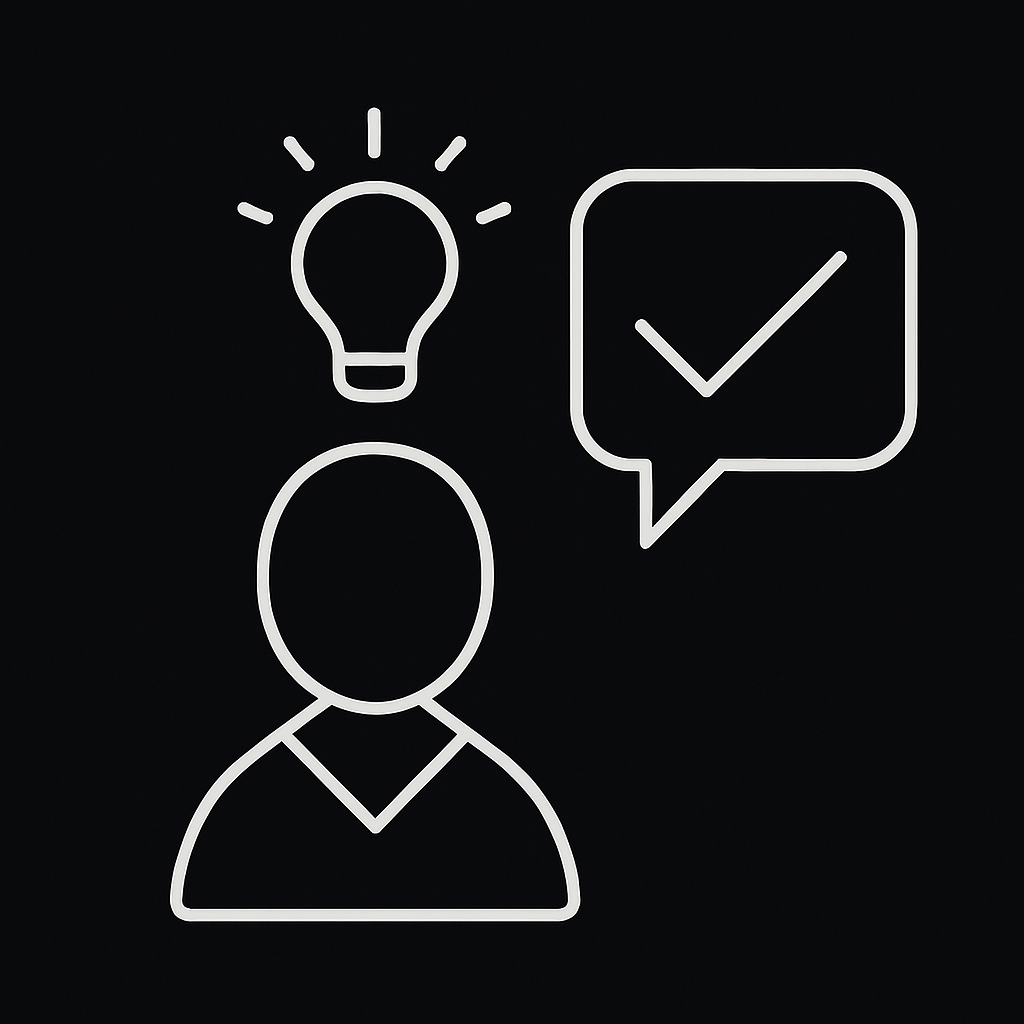
- Empathy Interviews
- Define POV & HMW Prompts
- Create Kanban Board
- Low-Fi Design
User-Centered Design
Start by understanding your users. Conduct empathy research, define your Point of View (POV), and frame 'How Might We' (HMW) questions. Organize ideas visually with PinUps, build your Kanban board, and prototype using tools like Canva or draw.io.
Phase 2: Prototype/Build
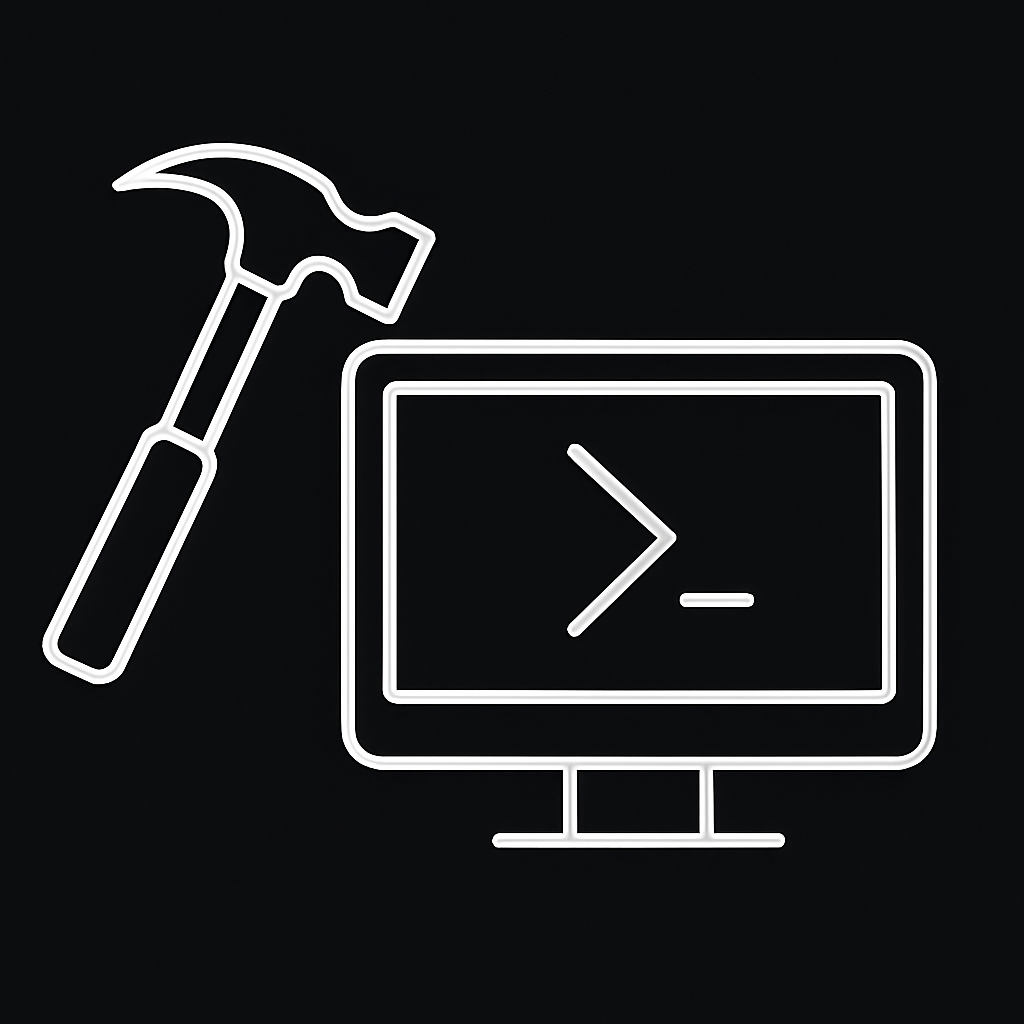
- Implement GitHub Pages or Backend APIs
- Link VSCode & GitHub
- Unit Test Features Early
- Daily Scrum Standups
From Ideas to Code
Translate prototypes into real features using GitHub, VSCode, and endpoint testing tools. Scrum Masters lead daily standups to sync teams, identify blockers, and promote node-to-node collaboration.
Phase 3: Integrate
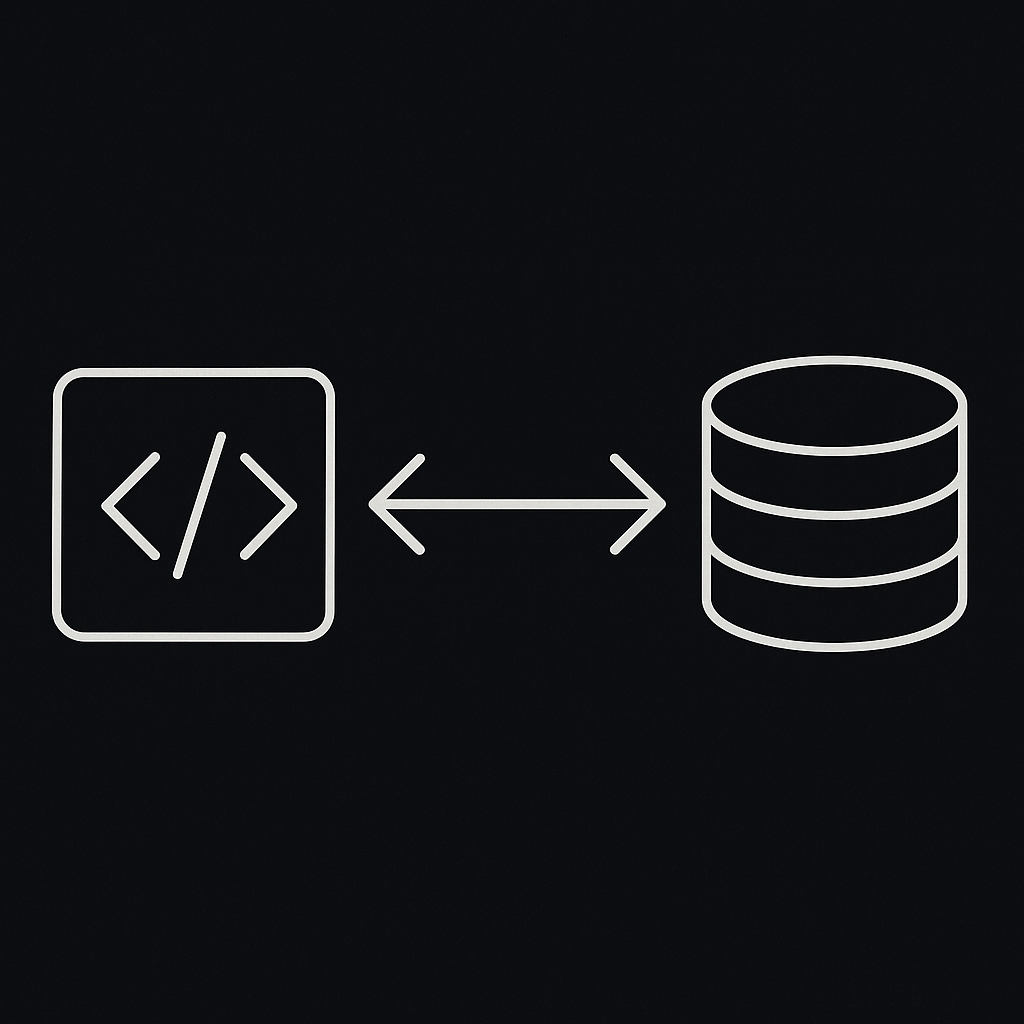
- Merge frontend & backend
- Track Kanban with Burndown process
- Submit Pull Requests
- Collaborate on Issues
End-to-End Integration
Combine everyone’s work into a unified product. Use GitHub Issues, Pull Requests, and Burndown Charts to manage discoveries and new tasks. Teams collaborate tightly to integrate systems and prepare for final testing.

Phase 4: Test & Present
- Conduct User Testing
- Rubric-Based Accomplishments
- Demo Product for Feedback
- Prepare for Sprint Retrospective
Test with Peers and then Users
Test features with peers prior to user testing. Collect feedback and reflect on how well implemented features address user needs. Self-assess using the design thinking rubrics, demo your product for user feedback. Afterward, run retrospectives to gather issues for the next sprint. Schedule 1:1 teacher check-ins for personalized growth.
Why Sprints Matter
Sprints are the engine of modern project development. They break big goals into focused, manageable steps, helping teams stay organized, deliver faster, and adapt quickly to feedback. By working in weekly sprints, you’ll learn how real-world developers plan, build, and refine software: one step at a time.